

How to Talk to Pet Owners About Osteoarthritis Before Their Pet Starts Limping
Learn how to help pet owners recognize early signs of osteoarthritis before limping begins, with practical communication tips, risk factors, and client-ready checklists for dogs, cats, and horses.

Post-Traumatic Osteoarthritis in Dogs: Protecting Joint Health After Summer Injuries
Every summer, dogs commonly experience orthopedic injuries such as cruciate ligament tears, sprains, and joint trauma from active outdoor lifestyles, and while many patients appear to recover clinically, the biological processes that drive post-traumatic osteoarthritis (PTOA) often begin within days to weeks after injury. This article explores how ongoing inflammation, cartilage degradation, and altered joint biomechanics can persist beyond visible recovery, highlights key risk factors for long-term joint disease, and discusses a multimodal approach to post-injury joint care aimed at supporting mobility and preserving joint health in dogs at risk of developing osteoarthritis.

The Small Animal Clinician’s Guide to Early Detection of Osteoarthritis: Tools, Tips, and Treatment Options
Osteoarthritis doesn't begin when radiographs become abnormal. It starts much earlier with subtle biologic changes, low-grade inflammation, and small shifts in movement that are often mistaken for normal aging. For small animal clinicians, recognizing these early warning signs can create valuable opportunities to intervene before significant joint damage occurs.
In this guide, you'll learn how to identify subclinical osteoarthritis, recognize common risk factors and early clinical indicators, utilize screening tools and diagnostic technologies, and explore evolving treatment options designed to support joint health earlier in the disease process. Discover practical strategies to help improve outcomes by moving from reactive arthritis management to proactive joint care.
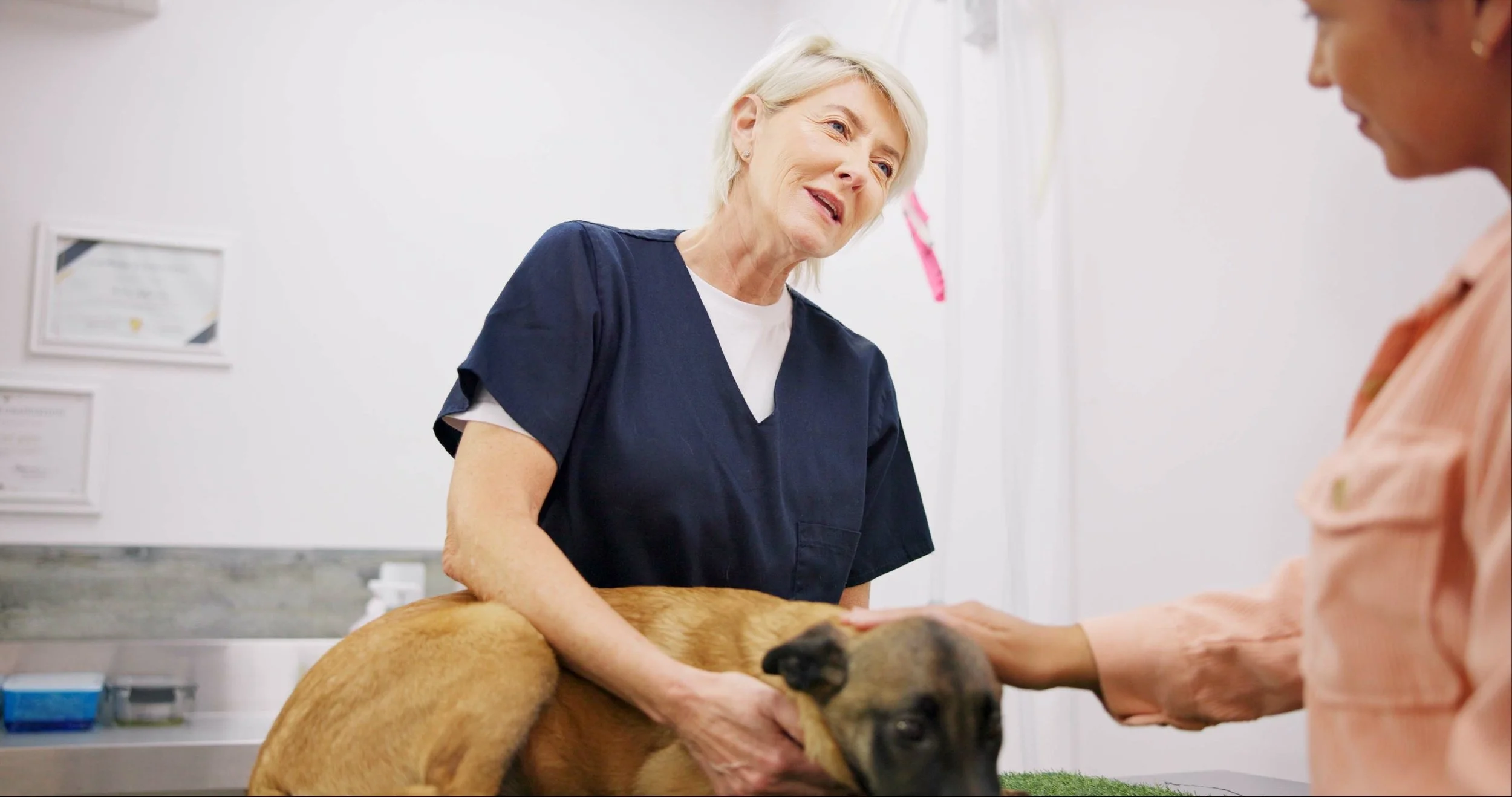
Client Conversations: Framing Non-Surgical Options When Surgery Isn’t An Option For Joint Disease
When surgery for joint disease isn’t a viable option, veterinarians are often faced with one of the most difficult conversations in orthopedic care. Whether due to financial limitations, age, comorbidities, or recovery concerns, the goal remains the same: helping pets maintain comfort, mobility, and quality of life.
In this blog, we explore how veterinarians can confidently guide clients through non-surgical pathways using empathetic communication and a structured multimodal approach that may include rehabilitation, medical management, intra-articular therapies, regenerative medicine, and lifestyle adjustments. Because when surgery isn’t possible, “no surgery” should never mean “no solution.”